
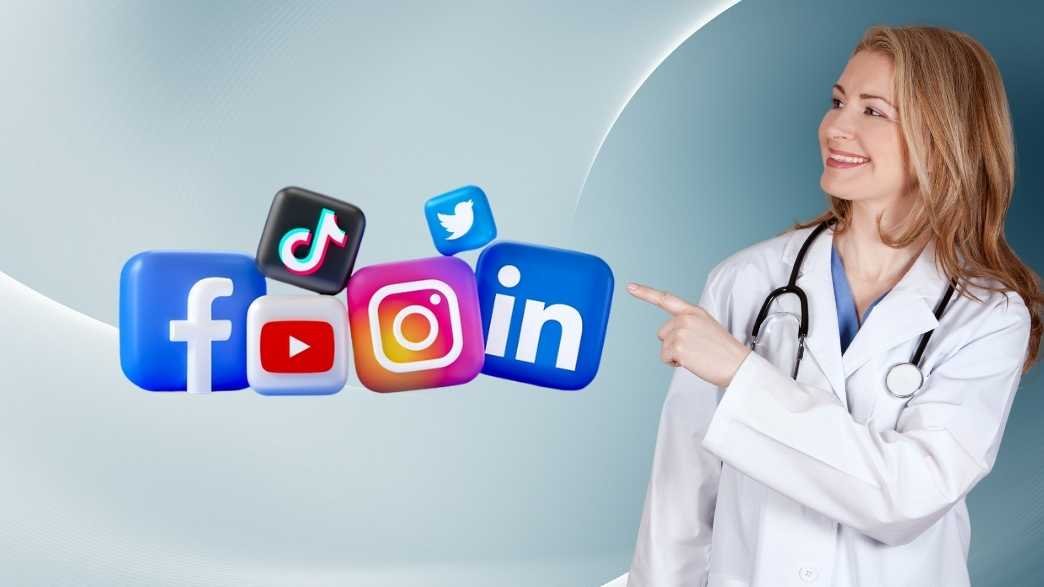
Social media has become an important part of modern healthcare. Doctors, clinics, hospitals and health influencers increasingly use platforms such as Instagram, Facebook, TikTok, YouTube and LinkedIn to educate audiences, promote services and communicate with patients.
But with healthcare information reaching millions of people online, misleading claims can have serious consequences.
To address these concerns, the Dubai Health Authority (DHA) has issued standards governing medical advertising content on social media. The rules apply to DHA-licensed healthcare professionals and health facilities and also place responsibilities on influencers who promote healthcare services. The latest DHA circular on the standards was issued on August 17, 2026.
The regulations aim to ensure that health-related content remains accurate, ethical, transparent and safe for patients and the public.
What Are Dubai’s New Social Media Rules for Doctors?
The Dubai social media rules for doctors and health facilities set standards for how medical services, treatments and healthcare information can be promoted online.
The DHA says healthcare-related social media content should provide reliable and useful information that can help patients and the public make informed decisions. The standards are intended to prevent misleading, deceptive and unethical medical advertising.
The rules cover healthcare advertising across several social media platforms, including:
- TikTok
- YouTube
- Snapchat
This means healthcare professionals need to be particularly careful about how they advertise treatments, describe their qualifications, present patient outcomes and use photographs or videos online.
Why Has Dubai Introduced These Social Media Guidelines?
Healthcare advertising is different from ordinary commercial advertising because patients may not always have the medical knowledge needed to assess claims about treatments, procedures or products. The DHA’s standards recognize that misleading online advertising could result in unnecessary treatments, unrealistic expectations or potential harm.
The authority’s objective is therefore not simply to restrict social media marketing. It is also to make healthcare information more trustworthy and support better-informed decisions by patients.
In its latest circular, the DHA emphasized the growing influence of social media advertising and the need to maintain the credibility of medical advertising while ensuring that content is consistent with UAE laws, regulations, culture and traditions.
Who Do the Dubai Healthcare Social Media Rules Apply To?
The standards apply broadly to DHA-licensed health facilities and healthcare professionals involved in social media advertising.
Importantly, the rules can also affect social media influencers who promote healthcare facilities, treatments or outcomes.
If an influencer creates content that identifies a healthcare facility, the content must be approved by the facility’s medical director. The health facility can also remain responsible for content filmed on its premises, even if the video was recorded using a personal mobile phone or uploaded from an influencer’s personal account.
This makes the new guidance particularly relevant to the growing number of healthcare influencer collaborations in Dubai.
Dubai Bans Misleading and Exaggerated Medical Claims
One of the most important parts of the rules concerns the language used in medical advertising.
Healthcare advertisements cannot rely on exaggerated or absolute claims that could create unrealistic expectations among patients.
Examples of prohibited expressions include:
- “Miraculous”
- “Magic”
- “The best”
- “Exclusive”
- “Safest”
- “Incomparable”
- “Unprecedented”
- “100 per cent”
- “Absolutely certain”
- “Assured success”
- “Has no side effects”
- “Immediate results”
- “Pioneer”
- “Famous”
The DHA also prohibits negative or unfounded statements about other healthcare professionals, healthcare facilities or government entities.
Read about our latest News
Why Are These Words Restricted?
Words such as “guaranteed,” “safest” or “no side effects” can make a medical treatment appear risk-free or certain to succeed. In reality, treatment outcomes can differ from patient to patient.
For this reason, healthcare advertising should communicate benefits and risks responsibly instead of promising a specific result.
Doctors Must Use Their Licensed Professional Titles
Another important requirement concerns professional titles.
Healthcare professionals must use titles and specialties that correspond with their DHA licence. The standards specifically restrict the use of alternative titles that may give patients a misleading impression of a professional’s qualifications or specialty.
The use of the prefix “Dr.” or “Doctor” is also restricted. Under the DHA standards, it may be used by physicians, dentists and healthcare professionals holding a recognized PhD, with relevant PhD certificates required to be attested and recognized by the UAE Ministry of Education.
This requirement reinforces an important principle in healthcare marketing: professional credentials should be clear, accurate and verifiable.
Medical Directors Have an Important Responsibility
The new Dubai social media rules place significant responsibility on medical directors.
When social media content promotes or identifies a healthcare facility, the medical director is responsible for ensuring that the content meets the applicable requirements.
Medical directors are expected to:
- Ensure social media advertising complies with UAE and local regulations.
- Ensure content is accurate and supported by appropriate evidence.
- Train staff on acceptable social media practices.
- Assign trained personnel to moderate social media accounts.
- Maintain records and archives of social media advertising.
- Communicate potential penalties for violations.
- Maintain appropriate policies for social media use.
The DHA may also conduct audits of social media advertising, making proper documentation and record-keeping important for healthcare organizations.
Doctors Must Separate Personal and Professional Social Media Accounts
Healthcare professionals are also expected to maintain separate personal and professional social media accounts.
The DHA standards state that healthcare professionals should avoid interacting with current or former patients through their personal social media accounts.
This separation can help protect professional boundaries and patient confidentiality.
For doctors who work in Dubai as well as other countries, the standards also require a separate Dubai-focused social media account for healthcare services provided in Dubai. Content involving patients treated elsewhere must still comply with the applicable Dubai standards when it appears on that account.
Patient Photos and Videos Require Written Consent
Patient privacy is another major focus of the Dubai healthcare social media regulations.
Healthcare professionals and facilities must obtain documented written consent before using a patient’s photographs, videos or statements in medical advertising.
For patients under 18, verifiable consent from a parent is required before collecting, using or disclosing personal or health information.
Healthcare professionals must also take steps to protect patient confidentiality and prevent unauthorized access to personal information.
What About Before-and-After Photos?
Before-and-after images are widely used in healthcare marketing, particularly in areas such as cosmetic and aesthetic medicine.
Under the reported standards, before-and-after photographs must show the same person, use the same lens and remain unedited. They must also include a disclaimer explaining that results can vary from one individual to another.
This approach is designed to reduce the possibility of manipulated images creating unrealistic expectations.
Surgery and Procedure Room Videos Are Restricted
Healthcare professionals and influencers should also be careful about filming inside clinical environments.
The updated rules prohibit promotional filming or livestreaming inside operating theatres or procedure rooms while a patient is undergoing minor or major surgery or is under general anaesthesia.
This is particularly relevant in an era when “behind-the-scenes” healthcare videos and live content can quickly attract large audiences.
Patient dignity, privacy and safety remain more important than social media engagement.
Healthcare Advertising Cannot Use Fear to Sell Treatments
The DHA standards also take aim at marketing techniques that exploit a patient’s vulnerability.
Healthcare advertising should not:
- Create unnecessary demand for a treatment or service.
- Frighten patients into purchasing a procedure.
- Exploit a person’s lack of medical knowledge.
- Create unrealistic expectations.
- Mislead patients about potential outcomes.
- Claim that one healthcare professional is superior to another.
The standards also prohibit inappropriate or unprofessional behaviour online and cyber-bullying.
Example of a Problematic Approach
A post suggesting that people will “face serious health problems” unless they immediately purchase a particular treatment could create unnecessary fear.
A more responsible approach would provide balanced information, explain when professional assessment may be appropriate and avoid presenting a medical service as an urgent necessity without proper clinical justification.
Healthcare Professionals Should Base Content on Evidence
The DHA standards also emphasize the importance of evidence-based healthcare communication.
Healthcare professionals using social media should provide information that is truthful, accurate, concise, current and understandable. Where appropriate, medical information should be supported by recognized scientific and clinical knowledge, peer-reviewed literature and current international best practices.
Professionals should also distinguish between information based on:
- Scientific research
- Expert consensus
- Professional experience
- Personal opinion
This distinction is especially important on social media, where personal opinions can easily be mistaken for established medical facts.
What About Sponsored Healthcare Content?
Healthcare professionals and facilities that receive financial or other material benefits for promoting products or services are expected to maintain a transparent relationship with the relevant organization or individual and disclose information that could influence how patients understand the content.
In simple terms, healthcare professionals should not hide commercial relationships when those relationships could affect the credibility or interpretation of their recommendations.
Healthcare Professionals Cannot Promote Everything
The DHA standards place limitations on the types of products and services healthcare professionals and facilities should promote.
They should avoid promoting products that:
- Are not directly related to healthcare.
- Lack clinical evidence.
- Have not been demonstrated to be healthy or appropriate.
- Could adversely affect health.
- Are not supported by reliable evidence.
At the same time, healthcare professionals and facilities can use social media to share legitimate public-health information and awareness campaigns.
What Does This Mean for Healthcare Influencers?
The inclusion of influencers is particularly significant.
Healthcare influencers can have enormous reach, and audiences may interpret their recommendations as trustworthy simply because the content appears on a popular account.
Under the DHA framework, influencers promoting healthcare facilities, services or outcomes cannot assume that the usual advertising rules do not apply to them.
When content identifies a health facility, medical director approval is required, and the facility can remain accountable for content recorded on its premises.
For influencers, this means healthcare collaborations should be planned carefully, with appropriate review and approval before content is published.
How Doctors Can Stay Compliant on Social Media
For doctors and healthcare professionals working in Dubai, a few practical steps can make social media management much safer.
- Check Your Professional Title
Use the name, qualification and specialty that correspond with your DHA licence.
- Avoid Absolute Claims
Avoid phrases such as “guaranteed results,” “100% safe,” “no side effects” or “the best treatment.”
- Support Medical Information With Evidence
Refer to reliable scientific sources and draw a clear distinction between scientific facts and personal opinions.
- Patient Privacy
It is strictly prohibited to use any patient-related information, photos, videos, without necessary permissions.
- Check Before-and-After Content
Images should be in line with relevant requirements and should not show manipulated results.
- Separate Personal from Professional Accounts
Having separate accounts may help preserve professional boundaries.
- Disclose Commercial Relationships
In case you have any form of monetary or material gain from promoting a certain product or service, make this clear.
- Facility Approval when Appropriate
When the post is related to or promotes a health care facility, ensure that there is approval from the relevant medical director.
Why These Rules Matter for Patients
These rules may be a source of extra protection for patients looking for health information on the internet. Social networks make it possible for medical information to reach you in seconds, however, accessibility does not mean reliability. The video that becomes viral may get hundreds of thousands or even millions of viewership even if the statement it is making is not fully supported.
The rules of the DHA make sure that the advertising of healthcare services will be truthful and reliable.
Final Thoughts
This new stance of Dubai about social media guidelines for doctors, healthcare facilities, and influencers takes into account the evolving role of digital media in the healthcare environment.
Doctors and healthcare professionals can continue using social media as a means of education and communication about healthcare. Nevertheless, now the accent shifts toward accuracy, responsibility, evidence, patient privacy, professional behavior, and proper advertising.
The recently published DHA circular, dated 17th of August 2026, states that all licensed healthcare facilities and professionals should follow the revised guidelines, and failure to do so may be punished by disciplinary action.
The clear guidance for the healthcare professionals is that even if the medium is informal, there is still the aspect of professionalism in healthcare communications.
With more patients using such channels as Instagram, TikTok, YouTube, and others for healthcare information, digital communication is becoming one of the most significant parts of modern healthcare practice.